

Quick Summary
Words can either support or derail recovery for someone with a substance use disorder, particularly during the early stages of healing.
Phrases like ‘why can’t you just stop’ or ‘didn’t you learn your lesson’ minimize the complexity of addiction as a chronic disease that alters brain chemistry and decision-making, often reinforcing shame and guilt that can trigger relapse.
Instead, validating their struggle without judgment and asking curious, respectful questions about their recovery plan can help them feel supported.
Key Takeaways
- Addiction is a complex medical condition that alters brain chemistry, behavior, and decision-making, not a moral failing that can be overcome by willpower alone.
- Asking someone why they cannot just stop or whether they learned their lesson can reinforce shame and guilt, which are major triggers for relapse.
- Medication-Assisted Treatment is a clinically proven tool in many recovery programs, and stigmatizing it may push individuals to abandon medically necessary treatment.
- Validating the effort recovery takes and asking respectful questions about someone’s recovery plan can help them feel seen and supported without judgment.
Addiction puts people in a vulnerable state physically, mentally, and emotionally. For someone who is struggling with a substance use disorder (SUD), the words of others can have a powerful impact, whether uplifting or damaging.
If there is a man in your life who is going through this deeply personal and challenging journey, you need to know how to approach him in a way that supports his recovery and guides him towards available treatment options.
Sacred Journey Recovery understands the power of words. Our men-only drug rehab programs specialize in treating men while addressing the gender-specific issues that are preventing them from getting sober. We use an adventure-based, experiential approach called wilderness therapy to help men recover, not just with words but through actions.
Still, understanding what not to say to someone in recovery, particularly in the fragile early stages, is essential to guiding your loved one towards treatment. Sometimes, even when you mean well, you may not say the right thing. Here, Sacred Journey Recovery will guide you through the process of communicating with an addicted loved one.
Why Language Matters in Addiction Recovery
Sacred Journey Recovery is dedicated to providing compassionate and holistic care. We empower men to break free from addiction by integrating evidence-based therapies, spiritual exploration, and the restorative power of nature.
The process of helping men rediscover a purposeful, fulfilling life involves acknowledging that words carry weight. Words can either validate a man’s struggle or push him back into silence and isolation. Men often isolate themselves because they are frequently taught to “man up” and handle things on their own. But addiction is not something you can deal with alone.
This is why well-meaning friends, partners, and family members should know what to say to men who are in recovery. What you say to someone in addiction recovery can either support their healing or unintentionally derail their progress. Here are some phrases you need to avoid:
1. “Why Can’t You Just Stop?”
This question oversimplifies addiction, implying that willpower alone is enough to quit. It stems from a misunderstanding of the person’s condition, which some view as a moral failing or a sign of weakness rather than a complex medical condition that requires proper treatment.
Educating yourself about addiction can help you communicate more effectively. It helps people understand that addiction is a chronic disease that alters brain chemistry, behavior, and decision-making.
Suggesting someone should “just stop” minimizes the physical, emotional, and psychological challenges they are facing. It makes men feel weak and powerless, often reinforcing shame and guilt, which are two major triggers for relapse.
Try saying, “I know this has been hard, and I admire your strength in choosing recovery every day”. Acknowledge the effort it takes. This approach validates their struggle without judgment and helps them feel seen.
2. “Didn’t You Learn Your Lesson?”
This statement stigmatizes Medication-Assisted Treatment (MAT), a clinically proven tool in many recovery programs. It implies that someone who uses Suboxone, methadone, or other prescribed medications is “cheating” or not truly committed to sobriety. This can lead to unnecessary shame and might even push them to abandon medically necessary treatment.
It is important to understand and respect the individual journey people go through during recovery. There is no one-size-fits-all solution when it comes to addiction. Sacred Journey Recovery understands this and uses flexible treatment plans to provide a truly personalized path to healing.
Instead, ask with curiosity and respect: “How’s your recovery plan working for you?” Let them share their experience without judgment.
Sacred Journey Recovery caters to all men. Our program empowers participants to step into the unknown, confront their struggles head-on, and emerge stronger, more resilient, and purpose-driven. Through fearless exploration, we help men break free from the past, overcome addiction, and discover a new sense of identity.
Here, every hike, climb, and challenge becomes a rite of passage into a life of clarity, brotherhood, and strength.
How Wilderness Therapy Benefits Men
Sacred Journey Recovery is committed to guiding men through the transformative process of overcoming substance abuse as well as its co-occurring disorders. We provide a safe, structured environment that helps men step out of their comfort zones and eliminates distractions so they can heal physically, mentally, emotionally, and spiritually.
At our men-only wilderness therapy program, we’ve seen firsthand how language impacts healing. In the quiet of nature, away from distractions, men begin to hear their own thoughts again, many for the first time in years.
Here, they can unpack their past, confront their pain, and rediscover their identity outside of addiction. Through survival and group challenges, men can rebuild their self-worth and regain their confidence.
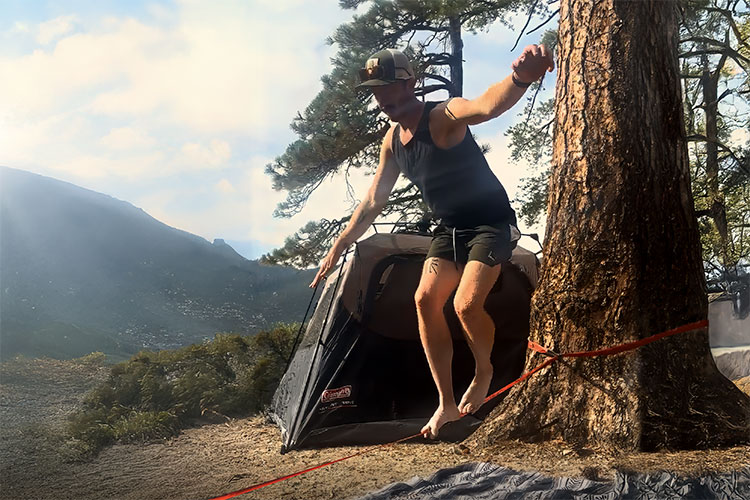
Wilderness therapy not only teaches men emotional regulation but also important skills that they can apply to their current battle with substance abuse. Whether you are rock climbing, stepping into an indoor wind tunnel for indoor skydiving, rappelling, engaging in wolf therapy, camping, or hiking, each activity can help you reconnect with a part of yourself that addiction has destroyed.
Why Choose Sacred Journey Recovery
Each week at Sacred Journey Recovery is centered around an experience designed to push you out of your comfort zone while providing the support you need to grow and realize your own strength. Our therapists and counselors provide support so men can unwind the knots of past addictions through the lens of their experiential therapy.
Here, we don’t just talk about coping mechanisms; men get to apply them in real time as they overcome the obstacles of nature itself. The resilience you build here will empower you as you navigate life without drugs and alcohol. We believe it is beneficial to teach both kinesthetically and intellectually. Knowledge and understanding are helpful, but experience is king.
Men-Only Focus
At Sacred Journey Recovery, we provide men with the tools to recover and an experience that will change them forever. As a specialized men’s addiction treatment center, we can provide a distraction-free environment where gender-specific challenges are addressed. This supportive, brotherhood-like atmosphere encourages honesty, accountability, and long-term growth.
This emphasis on building brotherhood is one of the key elements that set us apart from other treatment programs. While men have a tendency to isolate themselves, we teach participants that true recovery happens in a community.
Here, men are surrounded by peers who understand exactly what they are going through. This, in addition to the outdoor environment of wilderness treatment, allows for raw, unfiltered conversations about difficult topics such as substance abuse, social expectations, masculinity, fatherhood, and sobriety.
Integrated Healing Approach
Here at Sacred Journey Recovery, we recognize that conquering addiction goes beyond simply stopping substance use. That is why our comprehensive programs blend clinical expertise with professional support and holistic elements.
Evidence-based therapies, including Cognitive Behavioral Therapy (CBT) and group counseling, are combined with nature, mindfulness practices, and introspective work to nurture the mind, body, and spirit.
We offer multiple levels of care to meet individual needs, including residential care, partial hospitalization, intensive outpatient, relapse prevention, and aftercare services.