At Sacred Journey Recovery, our specialized men’s only addiction recovery programs empower men to face the internal forces of addiction, shame, fear, and avoidance, not by battling them, but by re-orienting toward valued living. Rather than just trying to stop substance use, we emphasise how you live your life sober: choosing what matters, staying present, and acting even when discomfort shows up.
Embedded in our men-only, outdoors-infused setting, ACT is woven into the adventure-based and relational infrastructure of our program, so the clinical modality doesn’t stay confined to the therapy room; it becomes alive in every hike, climb, and peer challenge.




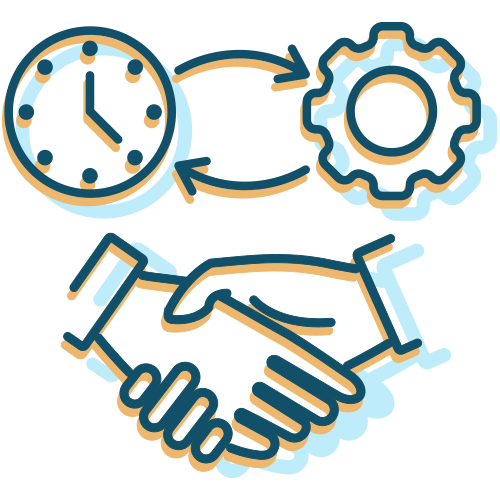
Acceptance and Commitment Therapy (ACT) is an evidence-based psychotherapeutic approach grounded in the concept of psychological flexibility and the ability to stay open to internal experiences such as thoughts, feelings, and urges while committing to behaviors aligned with personal values. In the context of men’s addiction recovery at Sacred Journey, ACT helps men interrupt self-defeating cycles like “If I feel this urge, I’ll relapse” or “I’m flawed and unworthy,” and instead cultivate a new orientation: “Even if the urge comes, I choose to act in line with the man I want to be.”
The core components of ACT include accepting internal experiences rather than suppressing them, practicing cognitive defusion to step back from unhelpful thought patterns, staying mindful and connected to the present moment, recognizing a stable sense of self beyond fleeting emotions, clarifying what truly matters in life, and taking committed action guided by those values, even in the presence of discomfort.
Values Discovery & Clarification: Early in the program, you’ll engage in facilitated exercises to uncover your deepest values: what kind of husband, father, brother, friend, man you want to be. This creates a compass for the rest of your journey.
Mindfulness and Present-Moment Awareness: In individual and group sessions, you’ll practise staying grounded—monitoring urges, cravings, emotional turbulence, and learning to observe them rather than react. We integrate outdoor experiences (e.g., wilderness hikes, rock climbing) to challenge you to stay present in physically and emotionally demanding contexts.
Defusion Techniques: Rather than trying to eliminate negative thoughts (“I’m helpless,” “I’ll always relapse”), you’ll learn to notice them, label them as passing mental events, and distance yourself from their literal power. For example: “I’m having the thought that I can’t stay sober” instead of “I am the thought I can’t stay sober.”
Acceptance & Willingness Practice: Men in the program are guided to practise willingness, choosing to stay with uncomfortable sensations (cravings, shame, fear of failure) without acting on them, and instead committing to value-aligned behaviour. We purposely place clients in physical challenge settings (rock faces, wilderness navigation) so the tolerance for discomfort is built into the recovery journey.
Committed Action Planning: Once values and willingness are clear, we design action plans: “Even if I feel intense craving or shame, I will call my peer‐accountability group, go on a scheduled wilderness team exercise, and articulate my value of integrity by checking in honestly.” These “if–then” contracts become living tools.
Integration into Brotherhood & Brotherhood Accountability: Because we are a men-only setting, the ACT work becomes part of the cohort’s culture. You’ll share your values, your willingness practices, your committed-action steps with your brothers in recovery, facilitating accountability, connection, and deeper change.
Aftercare & Long-Term Integration: Post-program, you’ll receive follow-up sessions to revisit your values, examine how effectively you’re living them, assess where avoidance or fusion still live, and adjust your committed actions. The goal is sustained value-driven recovery, not just a one-time fix.
Acceptance and Commitment Therapy is validated for addiction and co-occurring mental-health concerns. It is conceptualised as part of a modern behavioural health toolkit that emphasises functioning and values beyond symptom elimination.
In addiction recovery contexts, increasing psychological flexibility has been associated with better long-term outcomes, such as lower relapse rates, improved emotional-regulation capacity, and enhanced life satisfaction. At Sacred Journey, ACT is layered into our men’s program alongside experiential and outdoor modalities, giving the clinical work real-world testing and embodied practice.


Alcohol Use Disorder: Shifting the belief “I need a drink to relax” toward “I can use healthy, grounding methods to unwind and live fully sober.”
Opioid Dependence: Reframing stories of powerlessness into ones of growth and recovery—“I’m learning self-regulation and reaching out for support when I need it.”
Stimulant Addiction: Breaking cycles of urgency and high-risk behavior by developing steadier focus, balanced pacing, and a sense of calm accomplishment.
Sedative Misuse: Addressing patterns of emotional numbing and avoidance, and learning to manage distress through mindful, authentic engagement.
Prescription Drug Misuse: CBT helps uncover and replace thoughts that justify overuse, building self-trust, coping skills, and accountability in recovery.
Marijuana Misuse: Supporting men to move beyond avoidance by fostering mindfulness, body awareness, and nature-based practices that enhance motivation and presence.
Co-occurring Trauma, Anxiety, Depression: CBT teaches you to interpret emotional pain as information, not obstruction—cultivating clarity, purpose, and connection even in difficult moments.