
Quick Summary
Adventure therapy helps rebuild confidence by putting you in real situations where effort, focus, and follow-through matter. Instead of only talking about coping skills, you practice them while facing manageable physical and mental challenges. For many men in addiction recovery, confidence does not return through insight alone. It returns when you prove to yourself that you can handle stress, frustration, and uncertainty without escaping into old habits. Adventure therapy creates those moments in a structured environment, then connects the lessons to your daily life.
- Outdoor challenges reveal stress reactions quickly, giving honest feedback about coping patterns.
- Guided reflection turns physical challenges into practical recovery skills used in daily life.
- Small wins rebuild trust in your ability to finish hard tasks without escaping.
- Adventure therapy strengthens accountability, teamwork, and emotional control within structured treatment.
Why Confidence Breaks Down During Addiction
Addiction rarely destroys confidence overnight.Confidence tends to wear down through repeated follow-through issues rather than a single turning point. Intentions are there, but they do not consistently turn into action, especially when stress, conflict, or fatigue builds. Over time, that inconsistency becomes harder to ignore, and the gap between what is planned and what actually happens starts to carry more weight, making it harder to rely on your own decisions.
Many men in recovery recognize this clearly. They know they are capable and may still function well in parts of life, but internally they begin to question whether they can follow through when it matters most. That doubt builds quietly and makes change feel less realistic, even when the desire is still there. NIMH notes that unrecognized stress triggers and ineffective coping patterns can reinforce these reactions, which is why simply understanding the problem does not always change how someone responds in the moment.
At Sacred Journey Recovery, this is where experiential approaches like adventure therapy for addiction are used to move this process out of theory and into action. Instead of staying at the level of insight, men are placed in structured challenges where follow-through, effort, and persistence have to happen in real time. Completing those challenges creates a more reliable sense of capability than motivation alone, because it is built on direct experience rather than intention.
What Adventure Therapy Looks Like in Practice for Addiction Recovery
Adventure therapy is an experiential approach that uses structured outdoor challenges to strengthen emotional resilience and accountability. In addiction treatment, the activities in adventure therapy are designed with clear intent so the experience stays focused on how someone responds under pressure.
When you are hiking a demanding trail, working through a ropes course, or solving a physical team challenge, your natural reactions appear quickly. Frustration, self-doubt, impatience, or this urge to quit early can surface clearly, and those responses often reflect the same patterns that come up during stressful times in everyday life.
What happens after the activity is where the value starts to take shape. Instead of leaving it at the experience, therapists walk through what showed up and how it was handled. The focus stays on decisions, reactions, and follow-through, where that process turns the experience into something usable outside of the activity, helping build a clearer understanding of how someone operates under pressure and where change needs to happen.
Why Experiential Therapy Changes Behavior Faster Than Insight Alone
Many men enter treatment already aware of their triggers and patterns. They can explain what stressors lead to substance use and where things tend to break down, but that awareness does not always carry over into action when pressure builds. NIDA explains that behavioral treatment helps people build skills, change patterns, and support long-term recovery, which is why men often need more than insight into their problems alone.
Change tends to come from experience rather than just explanation. When someone is placed in a challenging situation and has to respond in real time, like in adventure therapy,the outcome carries more weight because it is lived rather than just imagined. Working through those moments with support builds a different level of confidence since it is based on direct follow-through. Over time, those repeated experiences make it easier to slow down, stay engaged, and move through pressure without defaulting to the same response, giving confidence the change to return to something more concrete.
Rock Climbing Therapy for Men and the Psychology of Following Through
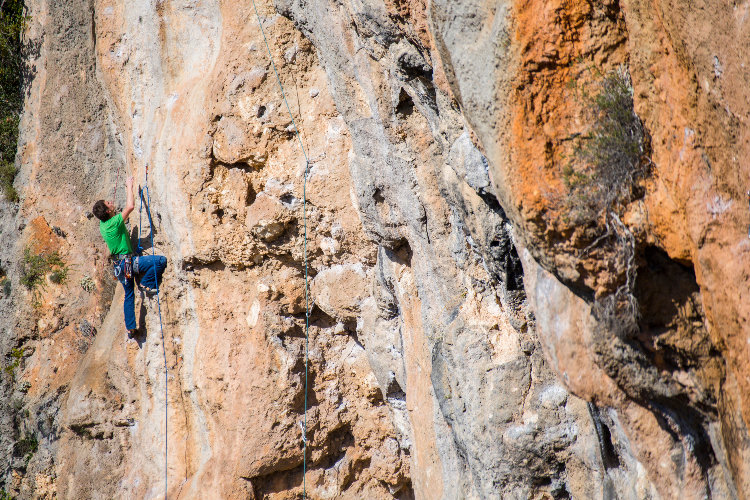
One example of an activity used in adventure-based programs is rock climbing therapy for men, which places a clear focus on pacing, control, and follow-through. Progress depends on staying deliberate, since rushing wastes energy and hesitation can break momentum. That balance reflects the kind of decision-making required in recovery, where slowing down and staying engaged leads to more consistent outcomes under pressure.
The structure of a climb also makes progress easier to see. The wall does not get cleared in one move, and trying to rush usually creates more problems than it solves. Each hold has to be tested, each step has to be stable, and momentum comes from staying consistent rather than forcing speed. That same pattern carries into recovery, where steady decisions under pressure tend to hold up better than quick changes that fall apart when things get difficult.
Common Patterns Men Discover in Adventure Therapy
Men participating in adventure therapy often notice patterns that are harder to catch in conversation. Physical challenges bring reactions to the surface quickly, without much time to overthink them. Some of the most common patterns that appear include:
- Quitting early once frustration appears
- Avoiding teamwork even when help is available
- Becoming overly competitive instead of collaborative
- Doubting personal ability before fully trying
These reactions give a clearer picture of how someone responds under pressure. Working through them as a group keeps the focus on real behavior, and over time that awareness carries into situations outside of the activity.
How Adventure Therapy Fits Into Structured Addiction Treatment Programs
Adventure therapy is most effective when it is part of a structured clinical approach rather than used on its own. At Sacred Journey Recovery, it is built into men’s addiction treatment programs alongside counseling, group work, and relapse prevention, so the progress made during challenges connects to the rest of treatment instead of staying isolated.
This integration allows the experience to carry over into everyday situations. The same patterns that show up during an activity can be addressed within other addiction treatment therapies that we offer, making it easier to apply what was learned when dealing with work stress, relationship conflict, or moments of pressure outside of treatment.
How Confidence Is Rebuilt Through Repetition in Recovery
Confidence tends to rebuild through repeated follow-through rather than a single moment. When effort leads to a clear result, it starts to shift how someone sees their ability to handle pressure. Adventure therapy reinforces the idea that discomfort can be managed without falling back into old habits, and over time that consistency carries more weight than intention can.
As those experiences add up, the way someone views themselves begins to change. Instead of expecting to avoid stress or escape it, there is more evidence that it can be worked through directly. That shift does not happen all at once, but it becomes more stable as the same pattern continues to hold under different situations.
Adventure Therapy and Outpatient Recovery
Many men seeking treatment are balancing recovery with employment and family responsibilities. Programs like an intensive outpatient program allow individuals to receive structured care while continuing their daily routines. At Sacred Journey Recovery, adventure therapy is built into outpatient models like IOP so it fits into this structure effectively. Skills practiced during an experiential activity often appear again in everyday situations within a short period of time.
A communication strategy practiced during a group challenge may become useful during a work meeting later in the week. A breathing technique used during a difficult climb may help during a stressful conversation at home. This immediate application reinforces the learning process.
Start Rebuilding Confidence With Sacred Journey Recovery
If you are starting to see how confidence has been worn down over time, rebuilding it does not come from thinking about change longer. It comes from stepping into situations where you can follow through, stay present, and handle pressure differently. That is exactly what we focus on at Sacred Journey Recovery.
You can start by verifying your insurance to understand what options are available to you, then reach out to our team at Sacred Journey Recovery to talk through what your next step could look like. A short conversation can help you figure out the right level of care and whether experiential therapy is a fit. Taking that step now can give you a clear path forward while the momentum is still there.